Mount Rinjani Trekking Difficulty Guide
Mount Rinjani Trekking Difficulty Guide: How Challenging Is the Hike?
Mount Rinjani is one of the most rewarding trekking destinations in Indonesia, but it is also considered one of the most challenging volcano hikes in Southeast Asia. Standing at 3,726 meters above sea level, Mount Rinjani demands physical fitness, mental preparation, and determination.
If you're planning your first Rinjani adventure, this guide will help you understand the difficulty level and prepare for the journey.
Is Mount Rinjani Difficult?
Yes. Mount Rinjani is generally rated as a moderate to difficult trek. While no technical climbing skills are required, hikers should be prepared for long walking hours, steep ascents, rocky terrain, and changing weather conditions.
The summit push, in particular, is the most challenging section of the entire trek.
What Makes Mount Rinjani Challenging?
1. Steep and Long Trails
Most trekking routes involve several hours of continuous uphill and downhill hiking. Depending on the package you choose, daily hiking times can range from 6 to 12 hours.
2. Summit Ascent on Loose Volcanic Sand
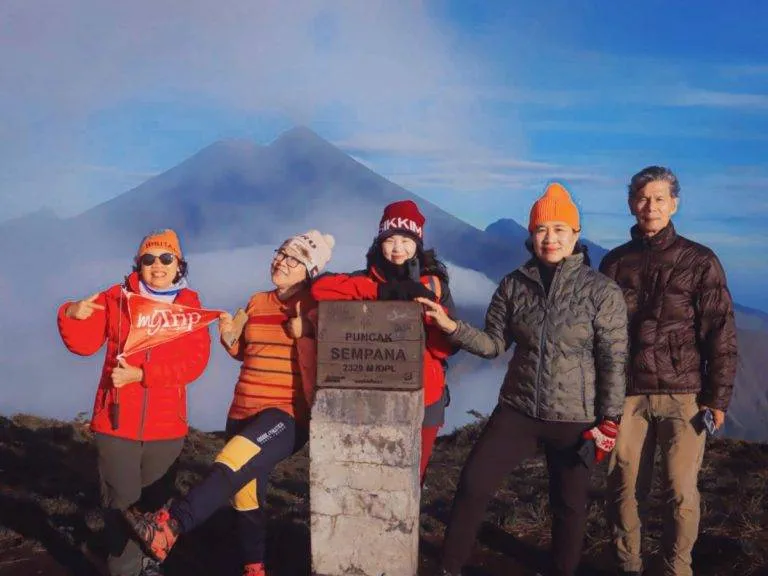
The final climb to the summit starts around 2:00 AM and includes steep slopes covered with loose volcanic gravel. Many hikers describe this section as "two steps forward, one step back."
3. High Altitude
At 3,726 meters, some trekkers may experience mild altitude-related symptoms such as headaches, fatigue, or shortness of breath.
4. Cold Temperatures
Nighttime temperatures near the summit can drop to around 0–5°C, especially during the dry season. Proper warm clothing is essential.
5. Demanding Descents
Descending to Segara Anak Lake or through the Torean route can be physically demanding and requires good balance and endurance.
Difficulty Level by Trekking Package
2 Days 1 Night Summit Trek
Difficulty: Very Challenging
* Fast-paced itinerary.
* Limited rest time.
* Suitable for experienced hikers or people with excellent fitness.
3 Days 2 Nights Summit and Lake Trek
Difficulty: Moderate to Difficult
* More time to rest.
* Better pace for most trekkers.
* The most popular option for first-time visitors.
4 Days 3 Nights Trek
Difficulty: Moderate
* Relaxed itinerary.
* More opportunities to enjoy the scenery.
* Recommended for beginners with average fitness.
Which Route Is Easier?
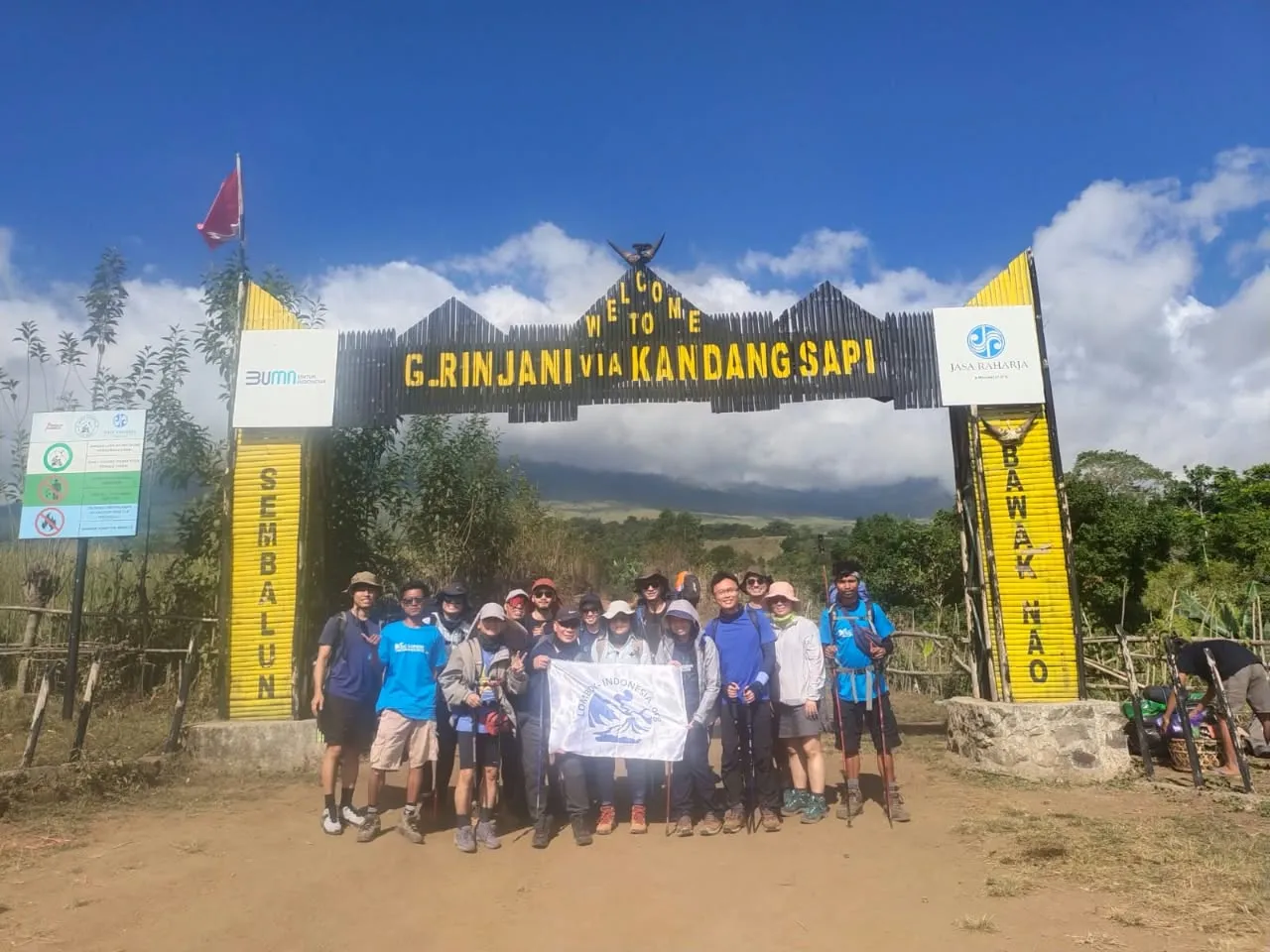
Sembalun Route
* Gradual ascent.
* Best route for reaching the summit.
* Popular among first-time trekkers.
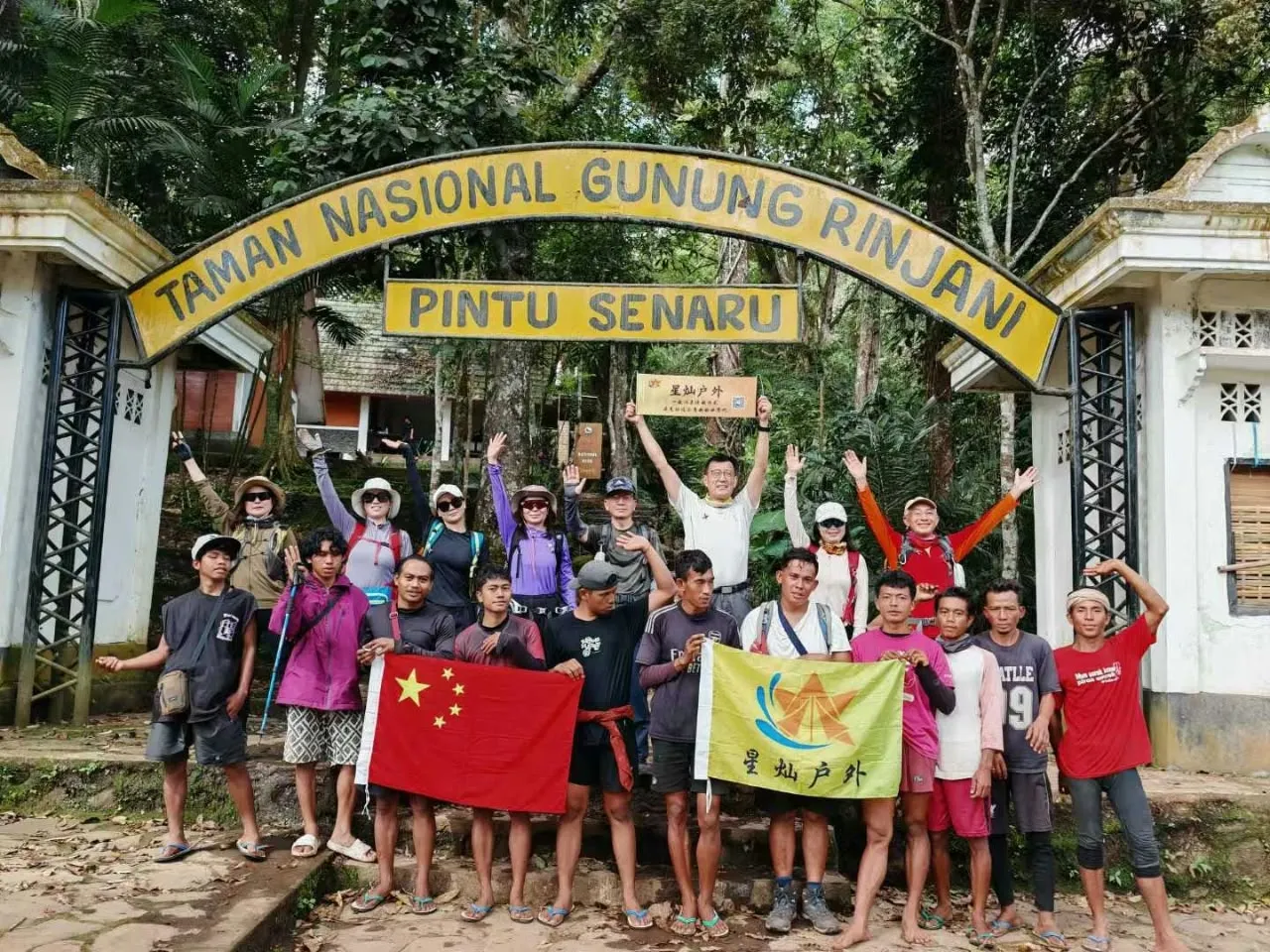
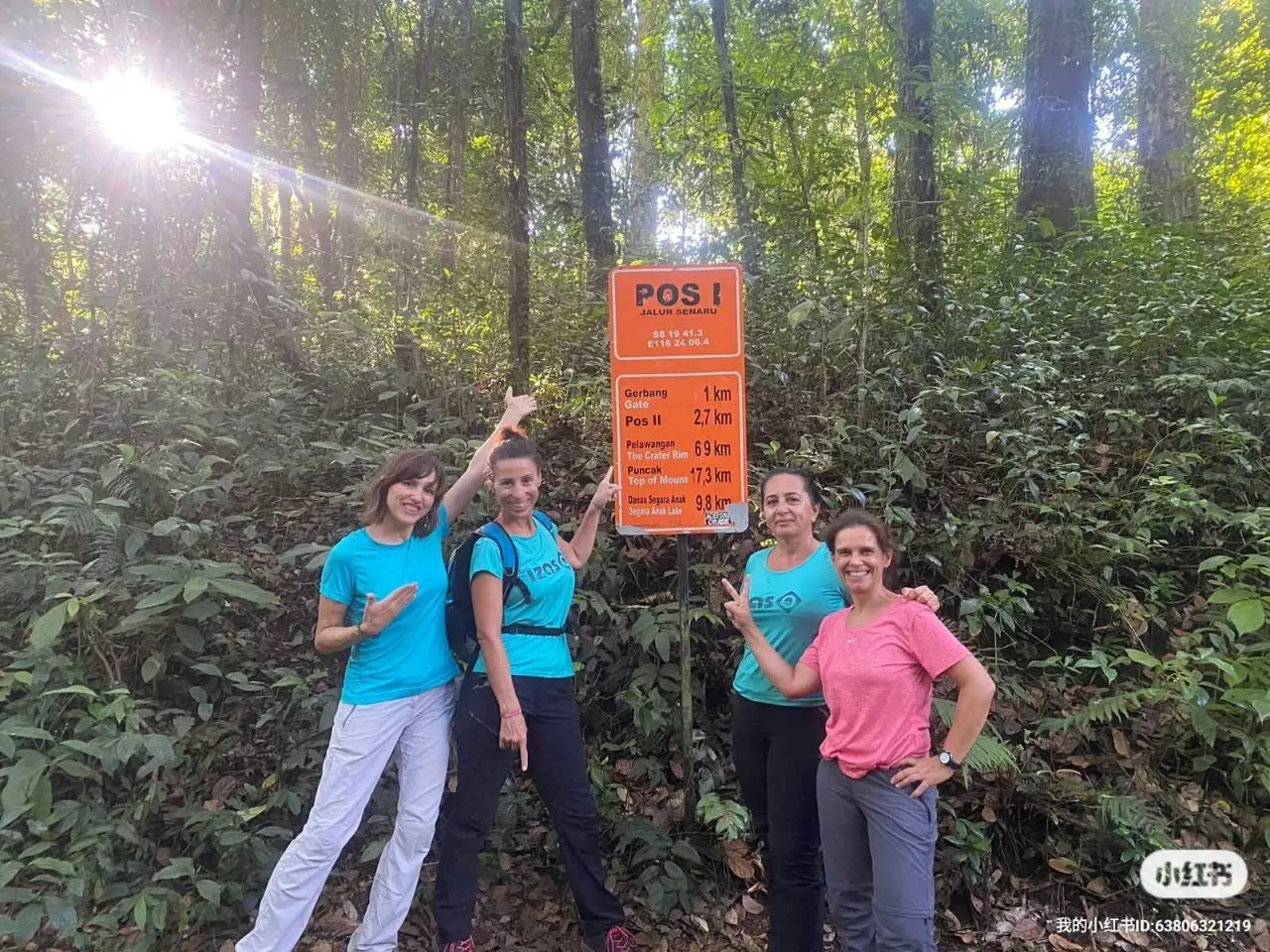
Senaru Route
* Steeper forest sections.
* Beautiful tropical scenery.
* Excellent for crater rim and lake experiences.
Torean Route
* Spectacular landscapes and waterfalls.
* More technical descents.
* Recommended for experienced hikers.
How Fit Do You Need to Be?
You do not need to be an athlete, but a reasonable fitness level is highly recommended. Preparing with regular exercise several weeks before your trek can greatly improve your experience.
Helpful activities include:
* Hiking practice.
* Running or jogging.
* Cycling.
* Stair climbing.
* Strength and endurance training.
Tips to Make the Trek Easier
* Choose a 3 Days 2 Nights or 4 Days 3 Nights package.
* Wear proper hiking shoes.
* Stay hydrated throughout the trek.
* Bring warm clothing for summit day.
* Hike at your own pace.
* Get enough sleep before the trek.
* Use trekking poles for better balance.
Final Thoughts
Mount Rinjani is a challenging trek, but it is achievable for most people with proper preparation. The combination of stunning crater views, sunrise from the summit, Segara Anak Lake, and unforgettable landscapes makes every step worthwhile.
With good fitness, the right equipment, and an experienced guide team, climbing Mount Rinjani can become one of the greatest adventures of your life.